
The Call That Starts With "Well, My Neighbor Didn't Need a Permit"
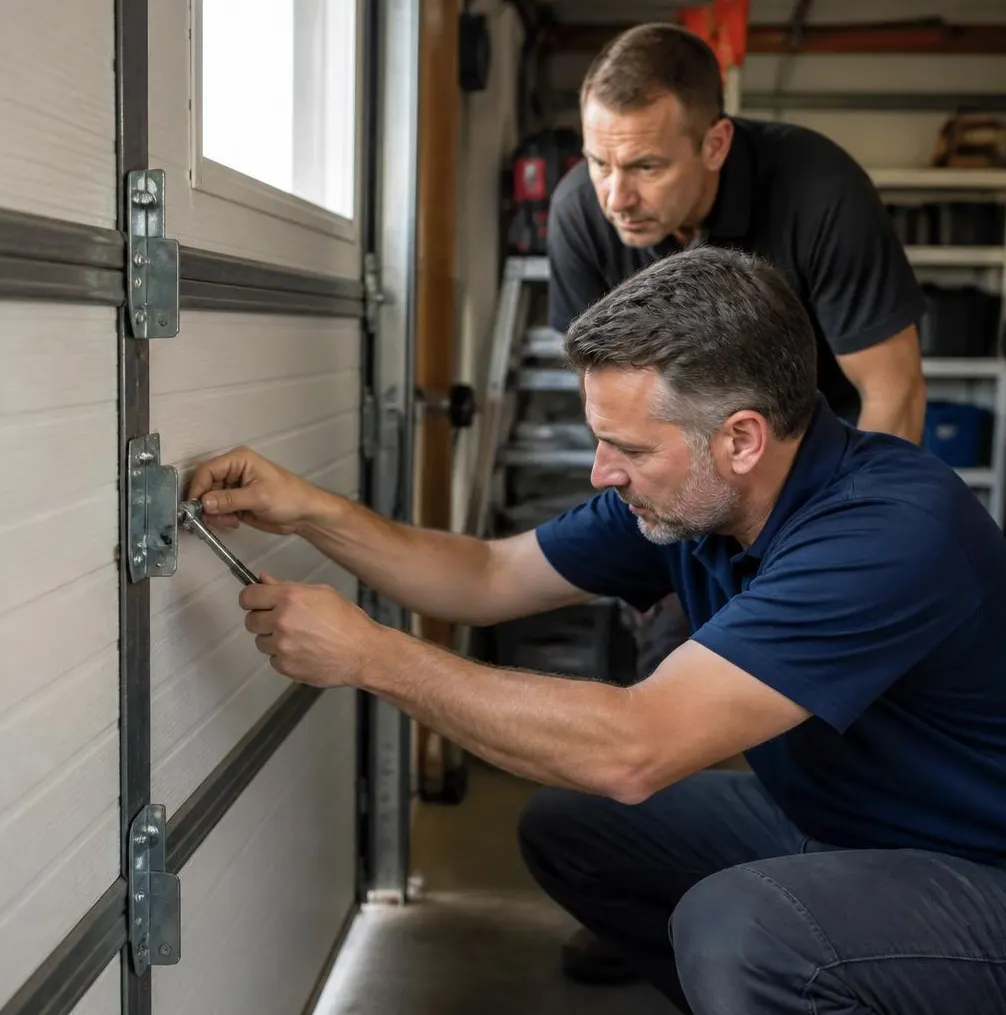
We get this one a lot: a technician shows up to measure for a new garage door, and the homeowners are mid-argument. One spouse is sure they need to clear the color and style with the HOA first. The other is sure that's only for fences and paint, not garage doors. Neither has checked, and somewhere in the driveway the words "I told you so" get used at least twice before we even open the toolbox.
Here's the thing: it's not one rule, it's three separate systems that sometimes overlap — HOA covenants, local building permits, and wind-load codes. They don't always agree with each other, and none of them care who was "right" in the argument. So let's untangle them.
HOA Rules: About Looks, Not Safety
If your neighborhood has a homeowners association, it almost certainly has a say in how your garage door looks — color, panel style, window inserts, even whether you can add decorative hardware. This is an aesthetic review, not a safety one. HOAs generally don't evaluate wind resistance or spring tension; they care whether your new door matches the approved palette and style guidelines for the street.
The practical move: pull your HOA's architectural guidelines before you pick a door, not after. Submitting a photo or spec sheet for approval usually takes a few days to a few weeks depending on how often the board meets. Order the door before approval and you risk having to special-order a different color or panel later — which costs time and sometimes money.
Permits: About the Structure, Not the Style
Permits are a separate conversation handled by your local building or inspections department, not your HOA. Whether a permit is required often depends on the scope of the work: a straight swap of an existing door for a similar one is treated differently in many jurisdictions than a project that changes the opening size, alters the header, or involves new electrical for an opener circuit. Some areas require a permit for any door replacement; others only require one when structural framing changes. The only way to know for sure is to call your local permitting office before work starts — rules vary by municipality and change over time, so don't rely on what a neighbor did five years ago.
Wind-Load Codes: About What Happens in a Storm
This is the one that catches people off guard, because it's easy to assume "wind-rated" is just a coastal thing. In this part of North Carolina, we're inland, but we still see the remnants of hurricanes move through with heavy rain and sustained wind, plus occasional ice storms that add weight and stress to a door that's already working against gusts. Garage doors are one of the largest moving surfaces on a house, and a door that isn't rated for the loads it's likely to see can buckle or blow in, which then puts pressure on the roof structure from the inside.
Wind-load ratings are usually built into the door itself — reinforced panels, heavier tracks, stronger end hardware — and many manufacturers list a rating for standard versus reinforced models. If your current door was installed decades ago, it may predate current expectations for wind performance in this region. Replacing it is a reasonable time to ask your installer what rating the new door carries, even if your area doesn't formally require it.
How These Three Things Actually Interact
- HOA approval can delay your project but won't make a door safer.
- A permit, when required, usually means an inspector confirms the installation meets current building code, including structural attachment.
- Wind-load rating is about the door's actual performance in wind and storm conditions, regardless of whether a permit was pulled.
You can have HOA approval and a permit and still end up with a door that's undersized for wind exposure if nobody specifically asked about the rating. That's the detail that settles most of these driveway arguments — it's rarely about who forgot a form, it's about nobody asking the wind-load question at all.
When to Call Stanley Garage Door
If you're planning a garage door installation and want someone to check the opening, confirm what your local permitting office actually requires, and recommend a door rated for what this area sees — heavy rain, inland storm remnants, humidity around the garage, and the occasional ice event — that's exactly the kind of call we take every week. We'll also handle garage door maintenance on an existing door if you're not ready to replace it but want to know how it'll hold up through the next storm season.
If you're in Stanley, NC or nearby in Lincolnton, Dallas, Gastonia, Mount Holly, Belmont, Cramerton, or Denver, give Stanley Garage Door a call before you order anything. We'll help you get the HOA form, the permit question, and the wind rating settled in one conversation — no more driveway debates required.